
Uninsulated panel freeze-thaw
Those doors were built for a climate that didn't hit the same cold stretches this region sees now, and thirty-plus years of freeze-thaw cycling on an uninsulated steel panel is where this job goes sideways.
 Germantown, MD
Damascus, Germantown
Damascus homes mostly date to the early 1980s, built with single-layer steel doors not rated for today's cold snaps. We install from Germantown, 8 miles out.
Watch-outs
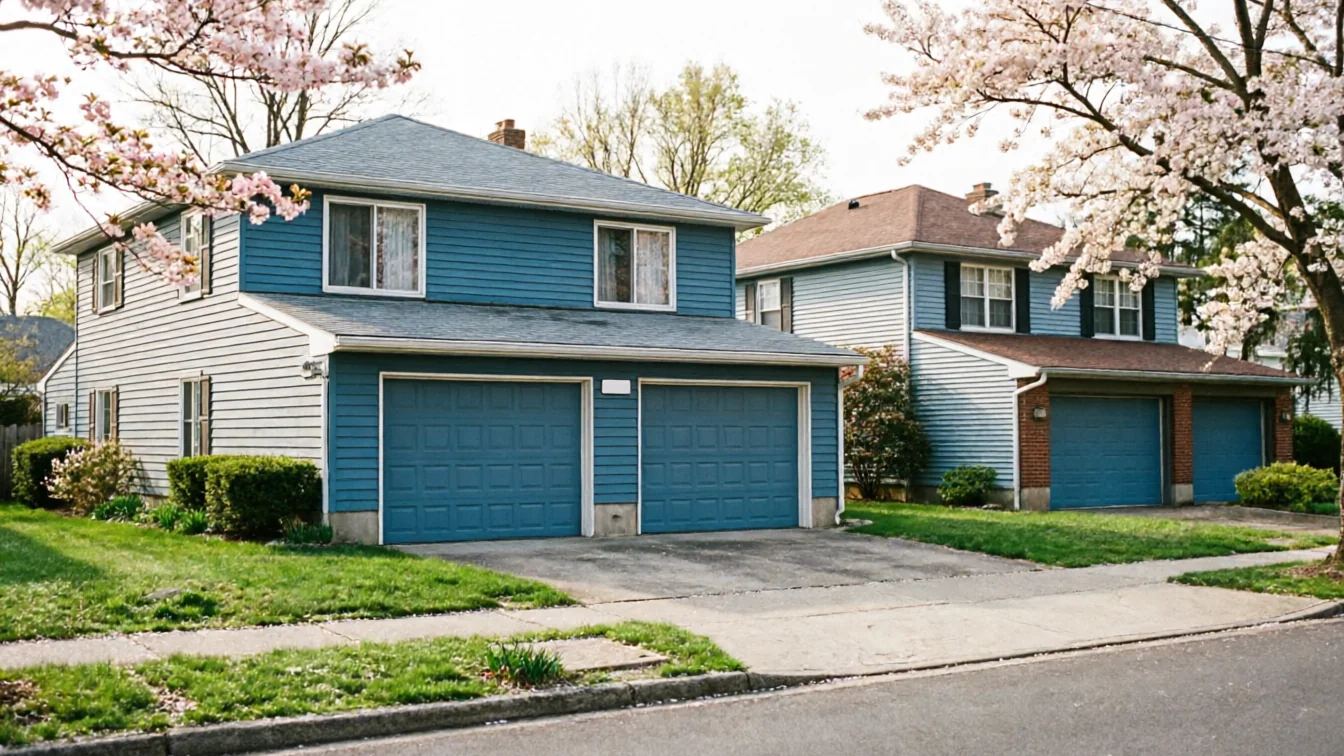
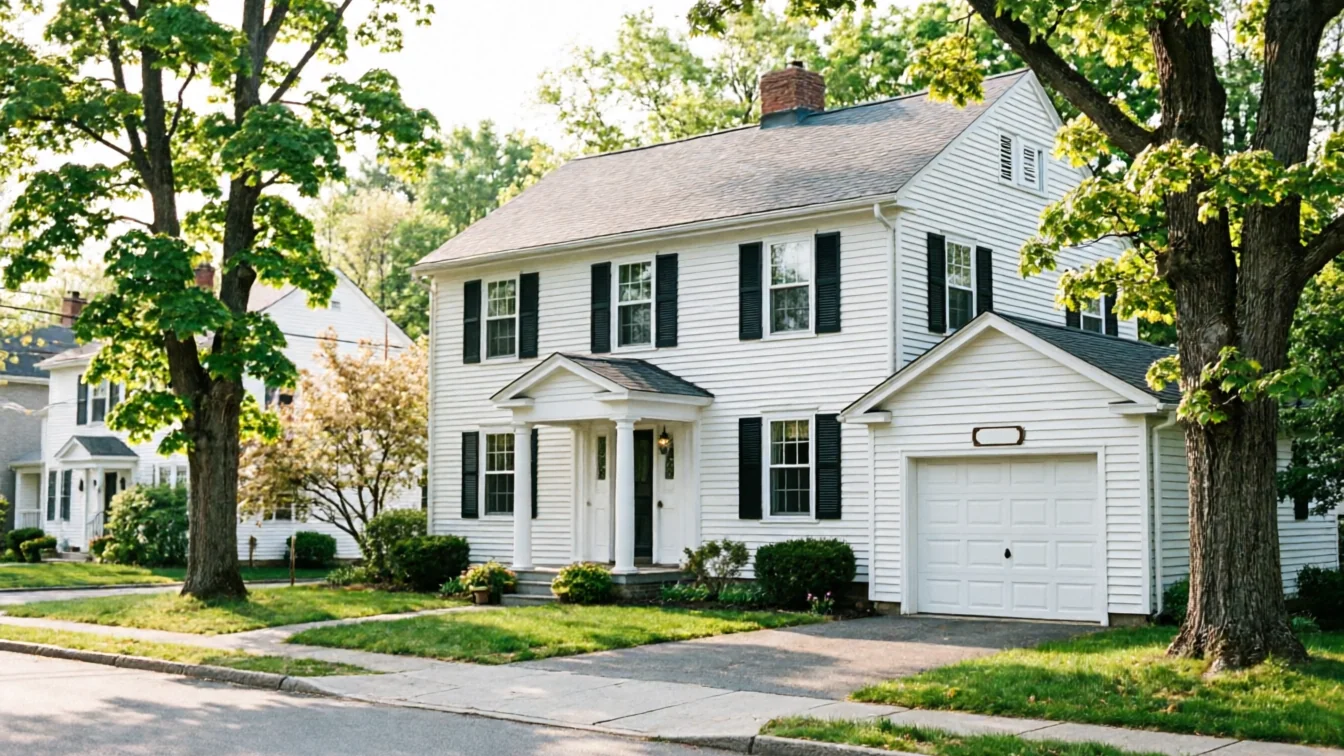
Most houses in Damascus went up around 1983, which puts the original garage door square in the first wave of mass-produced steel doors - single layer, no foam core, standard 16x7 for the two-car openings.
Those doors were built for a climate that didn't hit the same cold stretches this region sees now, and thirty-plus years of freeze-thaw cycling on an uninsulated steel panel is where this job goes sideways.
The panel itself is usually fine to look at. It's the track alignment and the spring sizing that drift over decades, especially when a homeowner swapped the opener once in the 90s but never touched the door or hardware.
When we quote a new install here, we're not quoting against a blank slate - we're quoting against an opening that's been fighting its own hardware for a long time, and that changes what size spring and what track depth actually fits.
Booking
We run this out of Germantown, about 8 miles from Damascus, so there's no local branch or depot to swing by - every job gets scheduled out and the install truck comes to you. That distance doesn't change what we carry or how we measure the opening; it just means the appointment gets locked in ahead of time rather than worked as a same-hour stop. If you're getting quotes for a new door, have your current opener's age and the rough age of the house ready - on a street where most homes were built in the early 80s, that single data point tells us more about the hardware than a photo does.
Warning signs
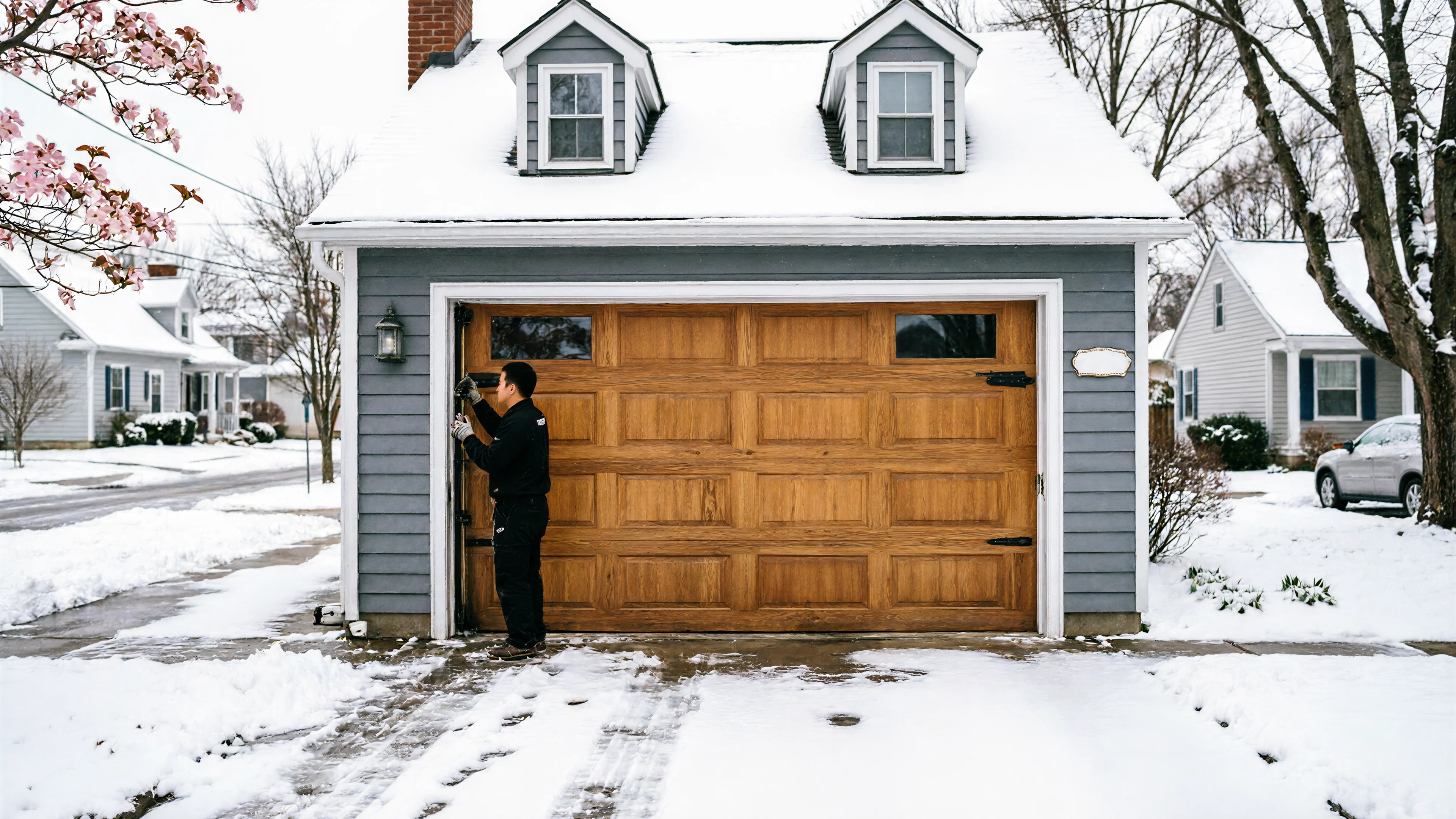
On a 1983-era house, the tell is usually a door that still closes but takes longer to do it, or a panel that's visibly bowed at the bottom corner where water sat for years.
Owners in this area tend to notice it first in winter - cold makes old steel stiffer and old lubricant thicker, and a door that was marginal in October won't close square in January.
The severe cold band this region sits in isn't gentle on a thirty-to-forty-year-old torsion spring either; metal fatigue accelerates with wide temperature swings, and that's the kind of swing Damascus gets.
None of that means the door is unsafe today. It means the math on repair versus replacement starts tilting toward replacement once the panel, the spring, and the opener are all original.
DIY or pro
A new garage door is not a project to DIY, full stop - not because the panel install is hard, but because the torsion spring is under enough tension to break bones if it lets go while you're setting it. If you're set on doing some of the work yourself, weatherstripping and bottom seal replacement on an existing door are reasonable, low-risk jobs. Swapping the door itself, resetting the track to match a new panel height, or rebalancing the spring for a new door's weight is not. We'll say plainly: we'd rather talk you out of a full DIY swap than show up afterward to fix a door that's now out of square because the track wasn't shimmed right the first time.
On the truck
For an income band around $153,994 in this area, we see a fairly consistent ask: a mid-weight insulated steel door, usually 16x7, that replaces an original single-layer panel without needing to rebuild the opening frame. We carry standard torsion springs sized for that door weight, new nylon or steel rollers depending on noise preference, and openers rated for the colder end of a severe-cold climate band - cold-rated belt drives hold up better here than older chain units once temperatures swing hard. What we don't stock is custom millwork doors or anything outside standard residential sizes; those are special-order and run on a longer lead time, which is worth knowing before you fall in love with a non-standard look.
The repair
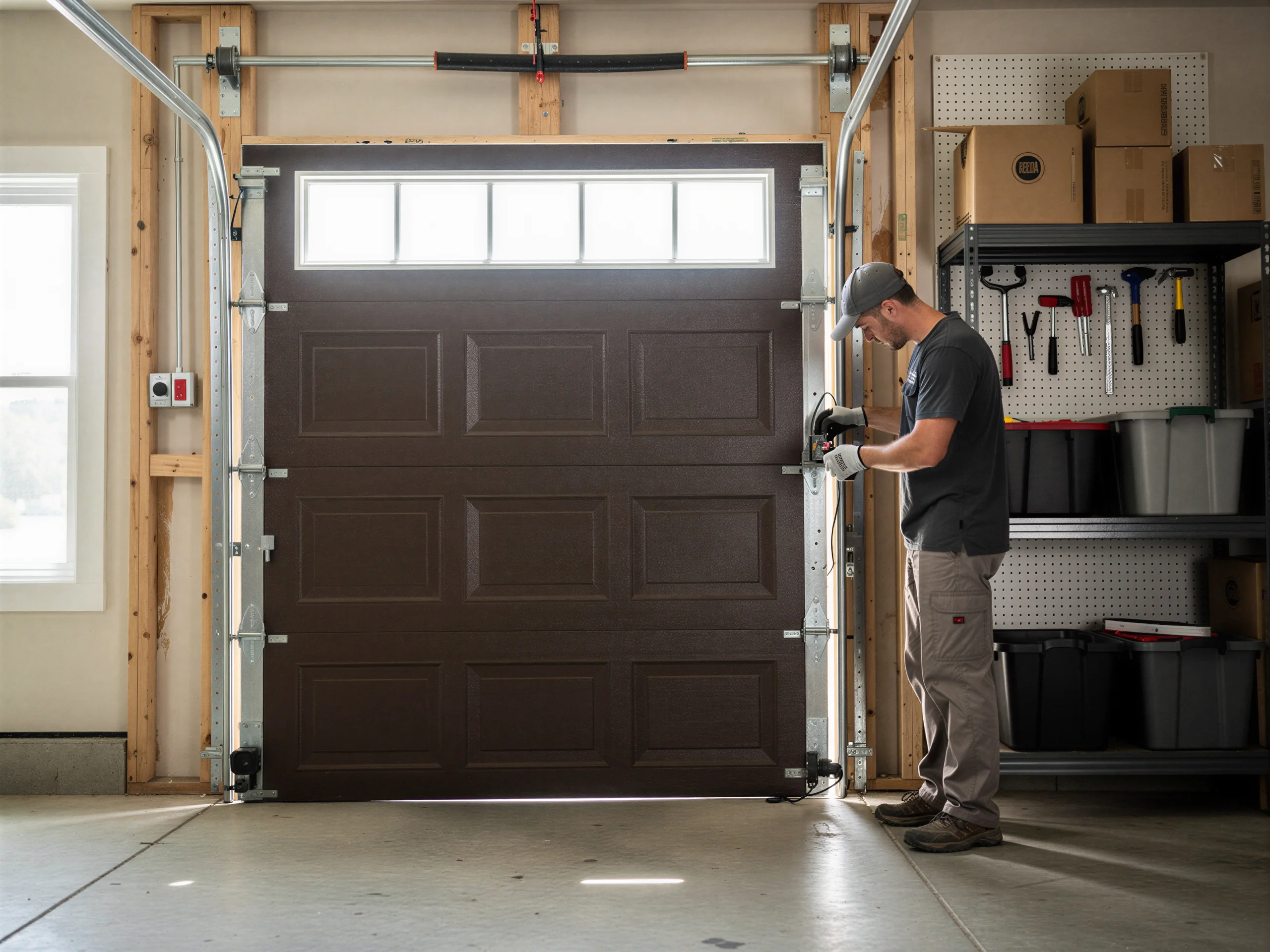
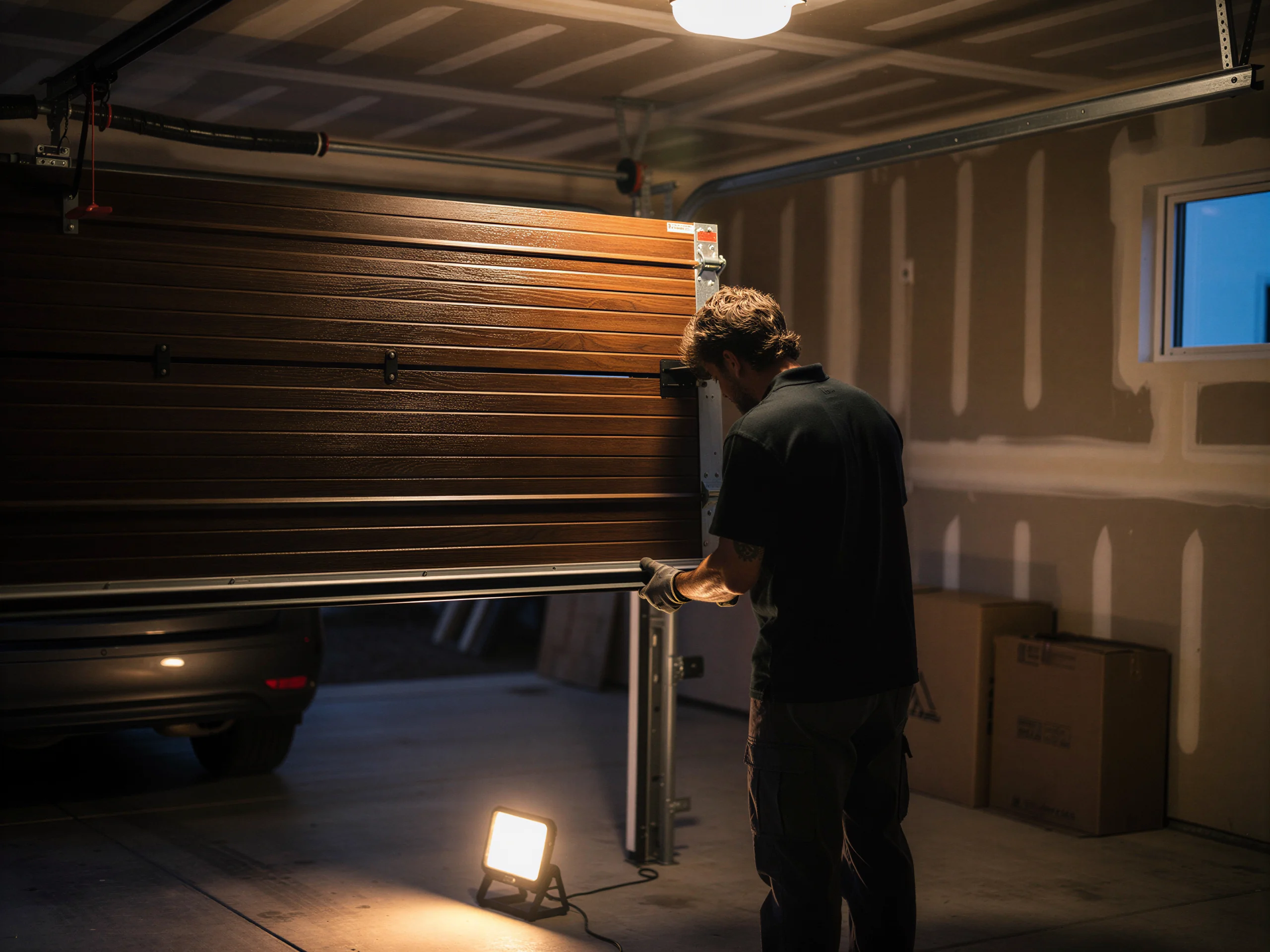
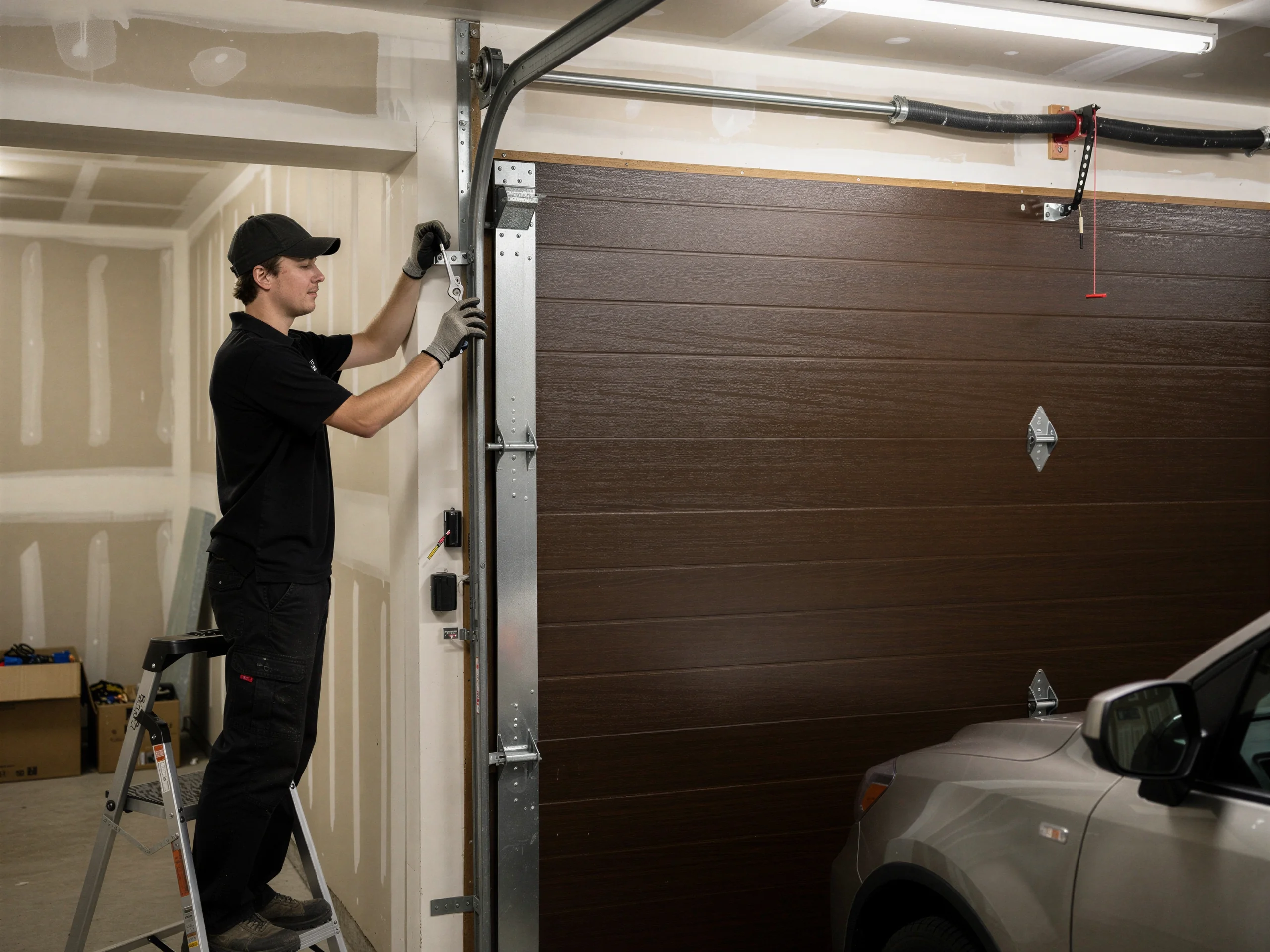
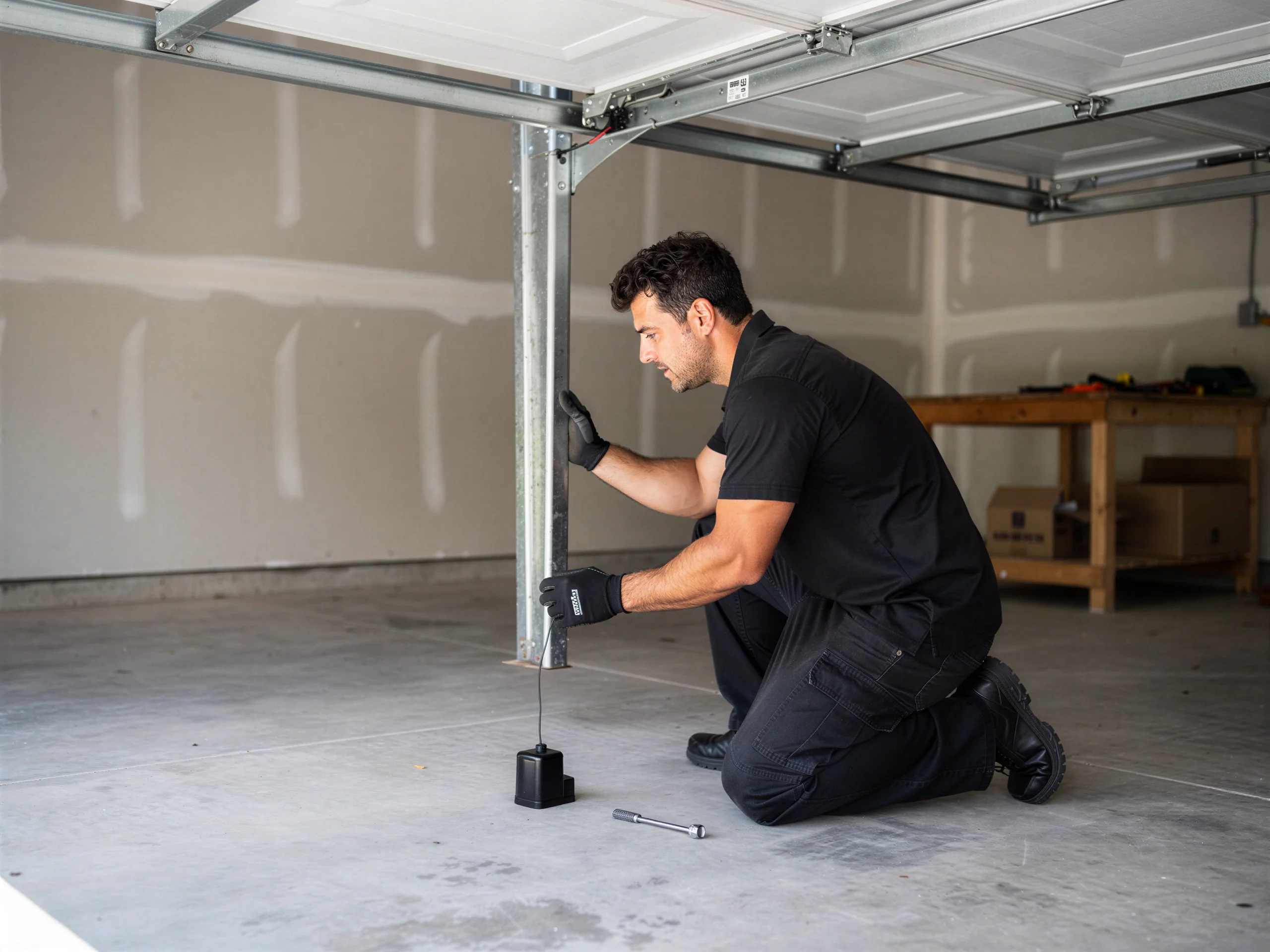
A full new install starts with pulling the old door and track, checking the header and jambs for square - common on a house this age where the framing has settled some - and setting new track to match the replacement door's thickness.
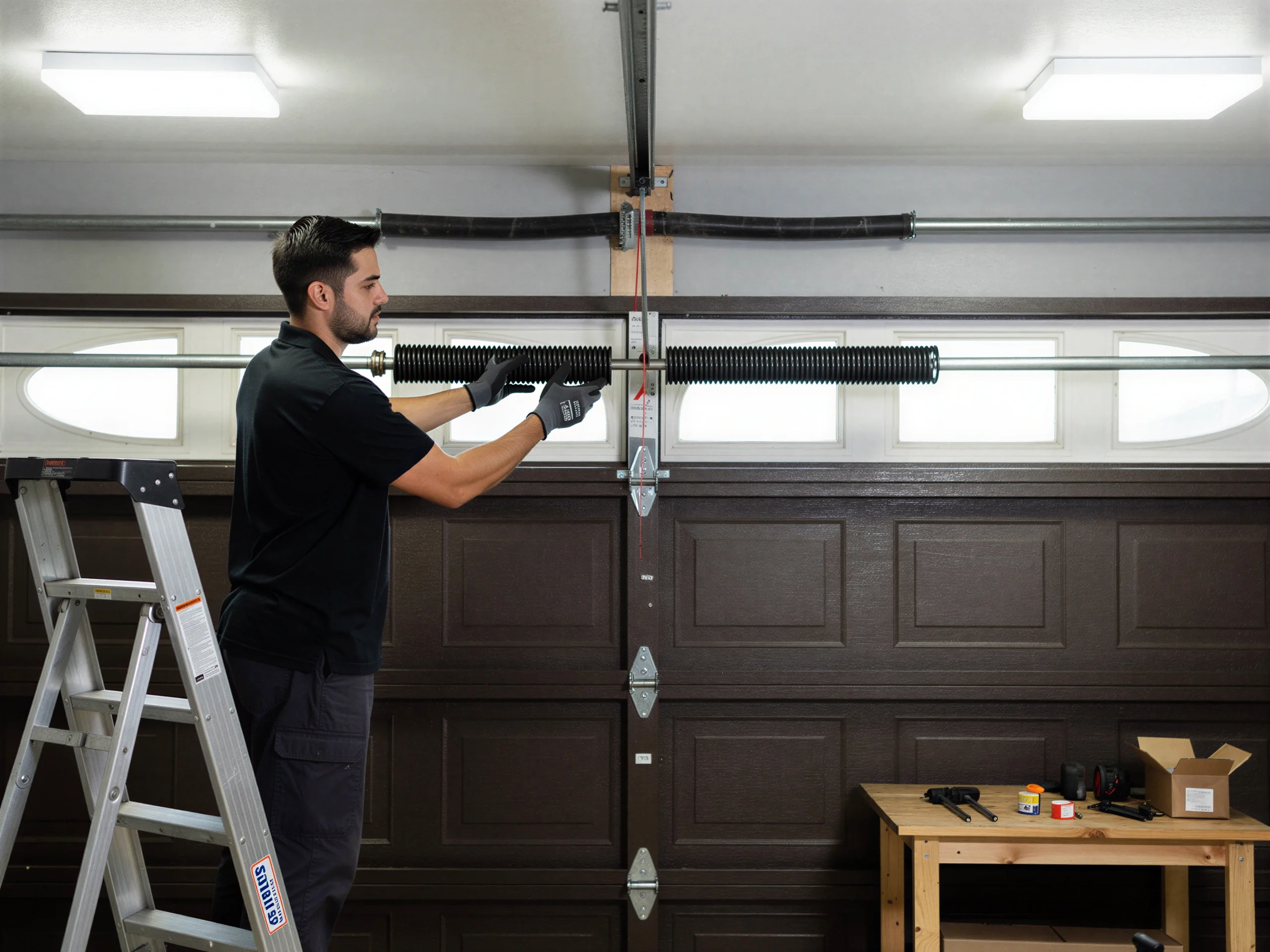
We size the torsion spring to the new door's actual weight, not the old spec, because a foam-core insulated door often weighs more than the single-layer original it's replacing.
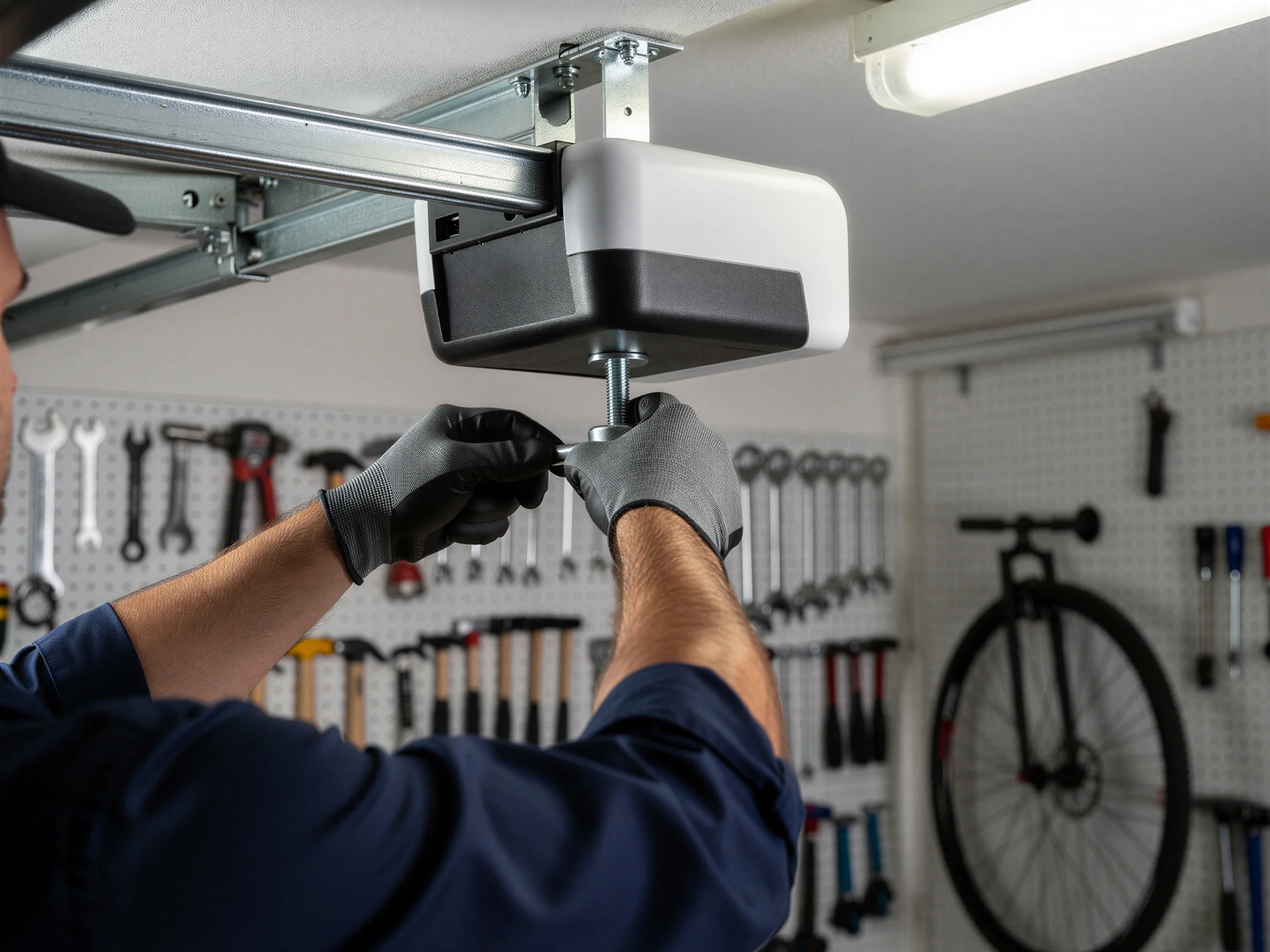
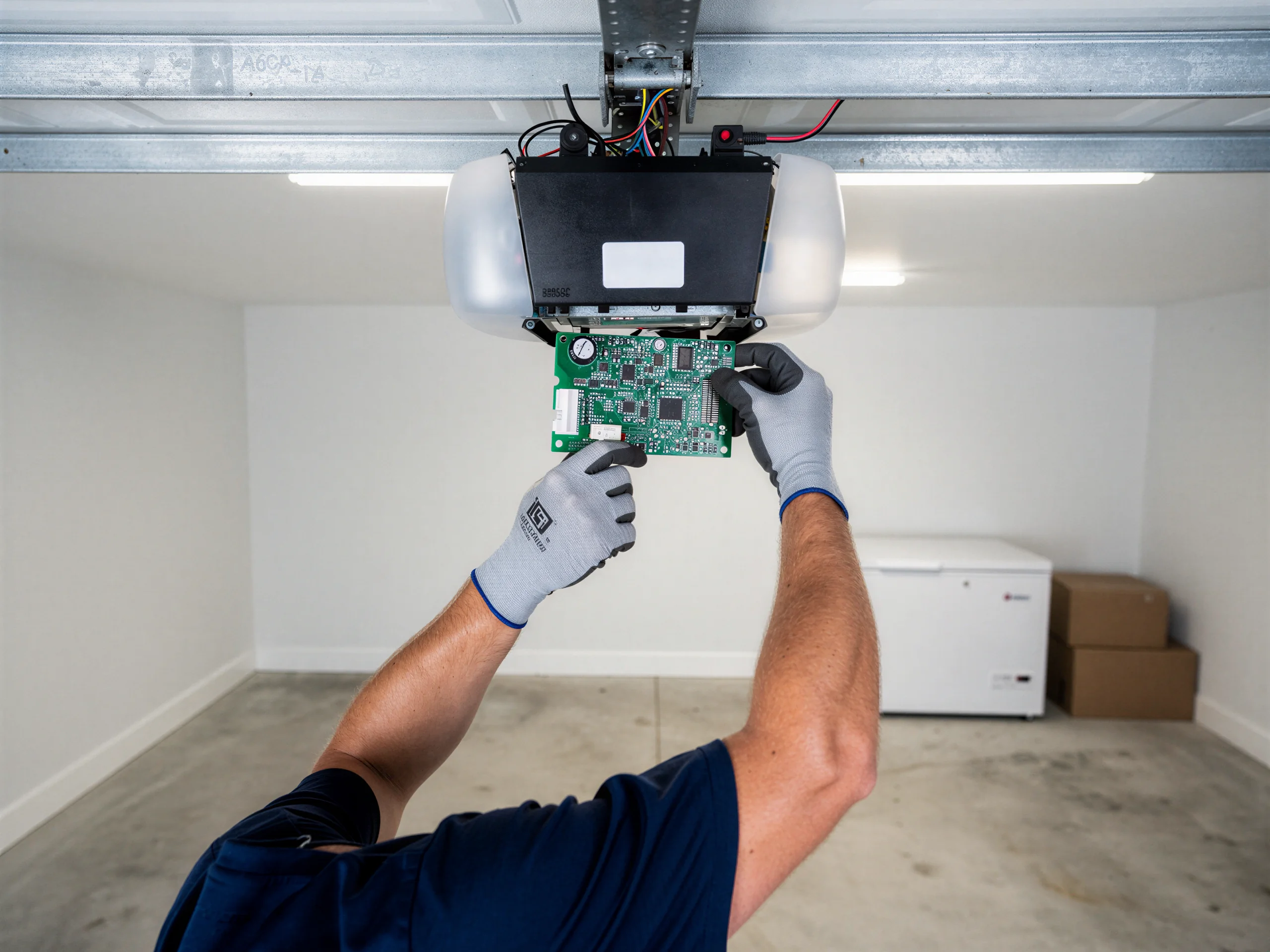
Opener compatibility gets checked too; a lot of 1980s houses have had the opener replaced once already, and we'll reuse it if it's rated for the new door's weight rather than sell you a second one you don't need.
The honest limitation: if the header framing has shifted enough that the opening itself is out of square, that's a carpentry fix before it's a door fix, and we'll tell you that up front rather than force a door into an opening that won't hold it square.
Questions
Houses in Damascus built around 1983 usually still have their original single-layer steel door and matching track depth. A new insulated door weighs more, so the spring and sometimes the track have to be resized - it's not a straight panel swap, and quoting it as one leads to a door that won't balance right.
No. We work out of Germantown, about 8 miles away, and schedule Damascus installs as routed appointments rather than same-hour stops. That doesn't affect the install itself, just how the visit gets booked.
Most two-car openings from the early 1980s in this area are standard 16x7, so yes in most cases. Custom or non-standard sizes are special-order and take longer to get in, which is worth flagging before you pick a door style.
Depends on what's failing. A worn spring or bent roller on an otherwise sound panel is worth repairing. Once the panel itself is bowed or the door is original to a house built in the early 80s, replacement usually costs less over time than patching a door that's fighting its own frame.
Explore more
Ready when you are
Germantown Garage Door Pros repairs and installs garage doors, springs and openers in Germantown, MD and the surrounding area.