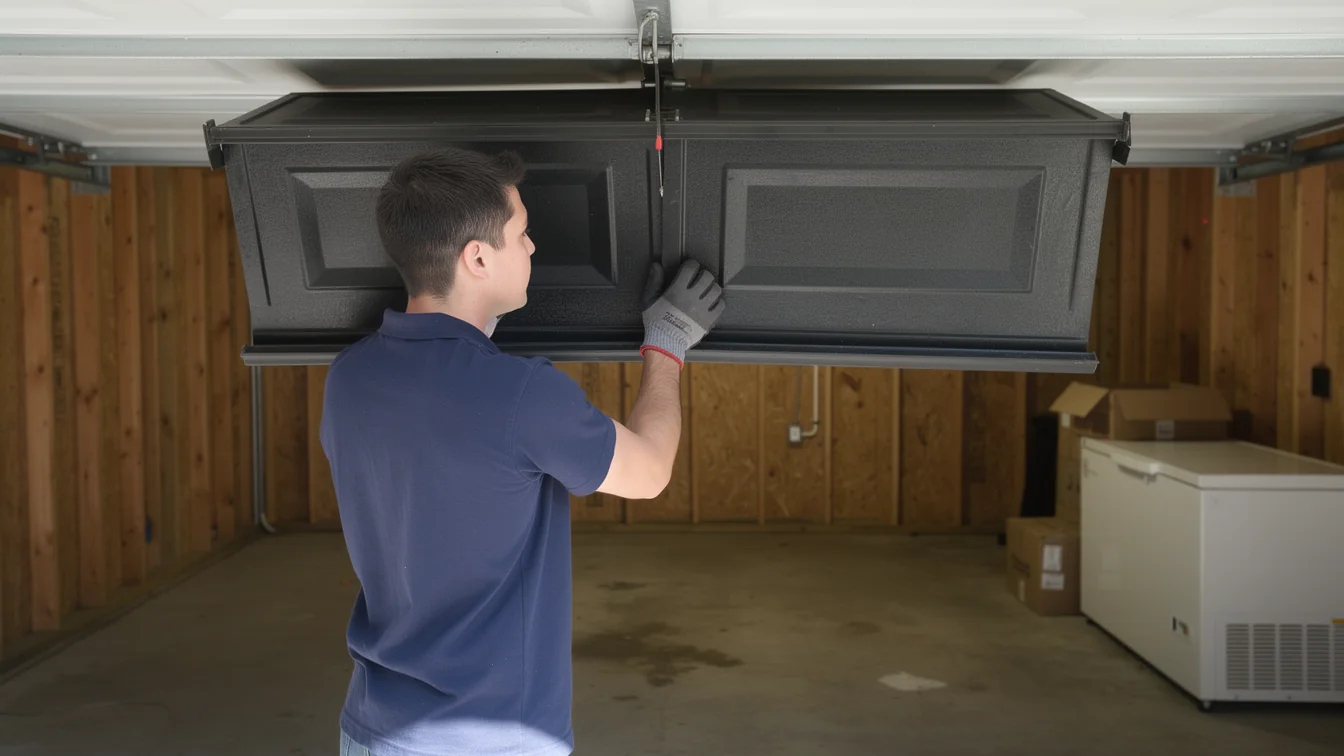
 What a Germantown Technician Looks at Before Touching Your Door
Germantown homes mostly date 1951-2015, median build year 1984, in a severe-cold climate band.
BlogGermantown, MD · 4 min read
Garage Doors on Germantown Houses Built Before Insulation Rules Tightened
Germantown's housing stock runs 1951-2015, median 1984, mostly 1980s-90s builds that predate modern insulation codes. Here's what that means for your garage door in a cold-severe climate.
Local detail
When to Get Help
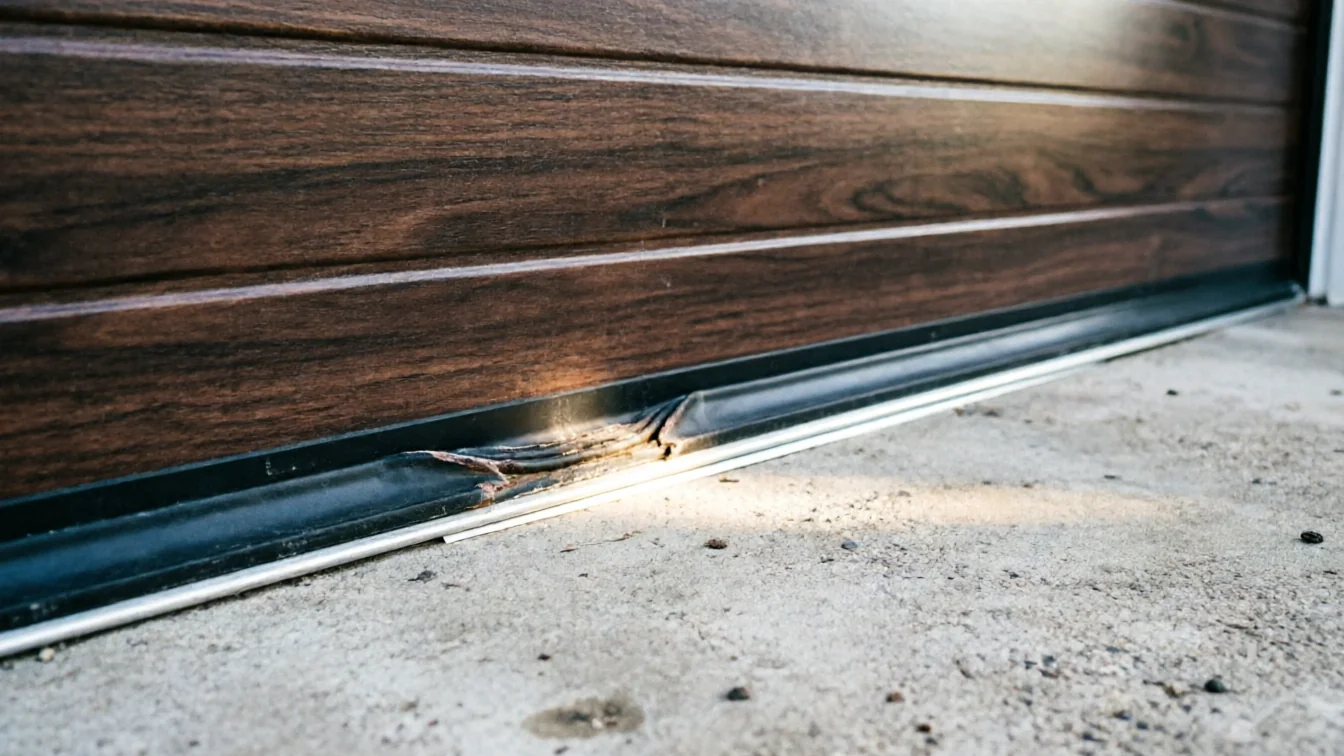
If your house falls in that big band of 1980s and 90s construction that makes up most of Germantown's 45 named neighborhoods, the garage door is probably original or close to it. A door from that era was built to the standards of its time, and those standards didn't ask for much R-value. Call when you feel cold air pushing in around the panel edges in January, when the bottom seal has gone flat and hard, or when the door itself is a thin single layer of steel that sweats on the inside during a cold snap. Those are signs the door predates the insulation expectations builders work to now. We also hear from people after a spring snaps on a door that's heavier than it looks, or lighter than it should be if someone already swapped panels without matching the rest of the unit. Don't wait for a full failure if you're already feeling drafts near the door - a worn weather seal is a cheap fix, but if the panel core itself is uninsulated, that's a bigger decision, and it's worth knowing which problem you actually have before you spend money.
The area
What Local Conditions Do
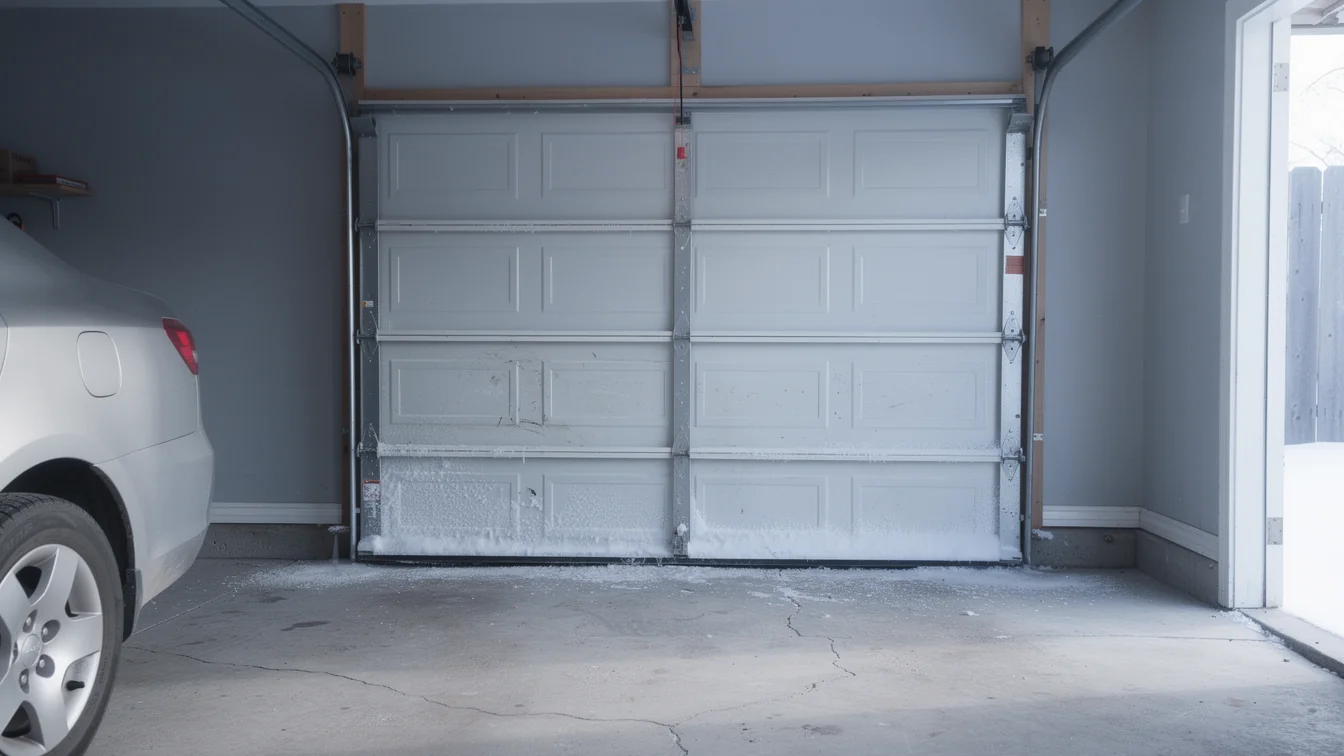
This area sits in a cold-severe climate band, and that matters more for a garage than for the rest of the house because garages are rarely conditioned space. A door built when insulation rules were looser - which describes a lot of the 1984-median housing stock here - has a steel or wood skin with little or nothing behind it. Through a Germantown winter, that door becomes the coldest surface in the garage, and if there's a finished room above or beside it, that cold transfers. Condensation forms on the inside face of an uninsulated steel door during temperature swings, and over years that moisture works on the bottom panel and the track hardware. Homes going back to the early 1950s through more recent 2015 builds span a wide range of door generations, so the fix isn't the same for every house - a 1986 door and a 2008 door were built to different expectations even within the same cold climate. What doesn't change is that an uninsulated panel in this climate works harder, fogs more, and ages the hardware around it faster than an insulated one would.
What we find
What Most People Get Wrong
The common mistake is treating the drafty door as a weatherstripping problem when it's actually a panel problem. Swapping the bottom seal helps a little, but if the door itself is a single uninsulated steel skin - typical of the construction era that built most of this area's housing - no seal fixes the cold metal in the middle of the panel. The other mistake is assuming every older door needs full replacement. Plenty of doors from the 1980s and 90s stock around Germantown Village, Kingsview, and the other established sections are structurally fine and just need the hardware serviced - rollers, hinges, the torsion spring sized for the panel weight. We won't sell you a new door if the one you have is sound; sometimes retrofitting insulation panels into an existing steel door costs less and does nearly as much as replacing it. The honest limit here: if the door frame itself has shifted or rusted through, insulation retrofits aren't worth doing, and that's a replacement conversation instead.
How we work
What Is Going On
Across the service area, median household income runs around $154,514, and a lot of owners in that bracket are sitting on houses from the 1951-2015 build range that never got a garage door upgrade when the rest of the house got remodeled. The door is often the last thing anyone touches, partly because it still opens and closes fine. But opening and closing isn't the same as performing well in a cold-severe winter. What's actually going on in most of these houses is a mismatch: the house may have had windows, attic insulation, or siding updated at some point, while the garage door - built under whatever code applied decades ago - never got touched. That gap shows up as a cold garage, a door that's heavier to lift once ice gets into the track, and a slow leak of conditioned air if the garage connects to living space. None of this is dramatic, which is exactly why it goes unaddressed for years.
Questions
Common questions
How do I know if my garage door predates current insulation standards?
If your house was built in the earlier part of Germantown's 1951-2015 range, or even in the common 1980s-90s stretch, and the door panel feels thin and cold to the touch with no backing visible on the inside, it's likely original or close to it. A door built to modern code has a visible foam or polystyrene core and feels noticeably heavier and warmer.
Is it worth insulating an old door instead of replacing it?
Sometimes. If the panels, track, and frame are sound, a retrofit insulation kit can cut down on condensation and cold transfer for less than a full replacement. If the frame has rusted or shifted, or the door is near the end of its life anyway, putting money into insulation first doesn't make sense - replace it instead.
Why does my garage door sweat on the inside during cold weather?
That's condensation forming on an uninsulated steel panel when warm, humid air inside the garage meets the cold metal surface during a winter temperature swing. It's common on older doors built before insulation expectations tightened, and left alone it can eventually damage the bottom panel and nearby hardware.
Recommendation
You Might Also Like
More garage door guides for Germantown homeowners.
What a Germantown Technician Looks at Before Touching Your Door
Germantown homes mostly date 1951-2015, median build year 1984, in a severe-cold climate band.
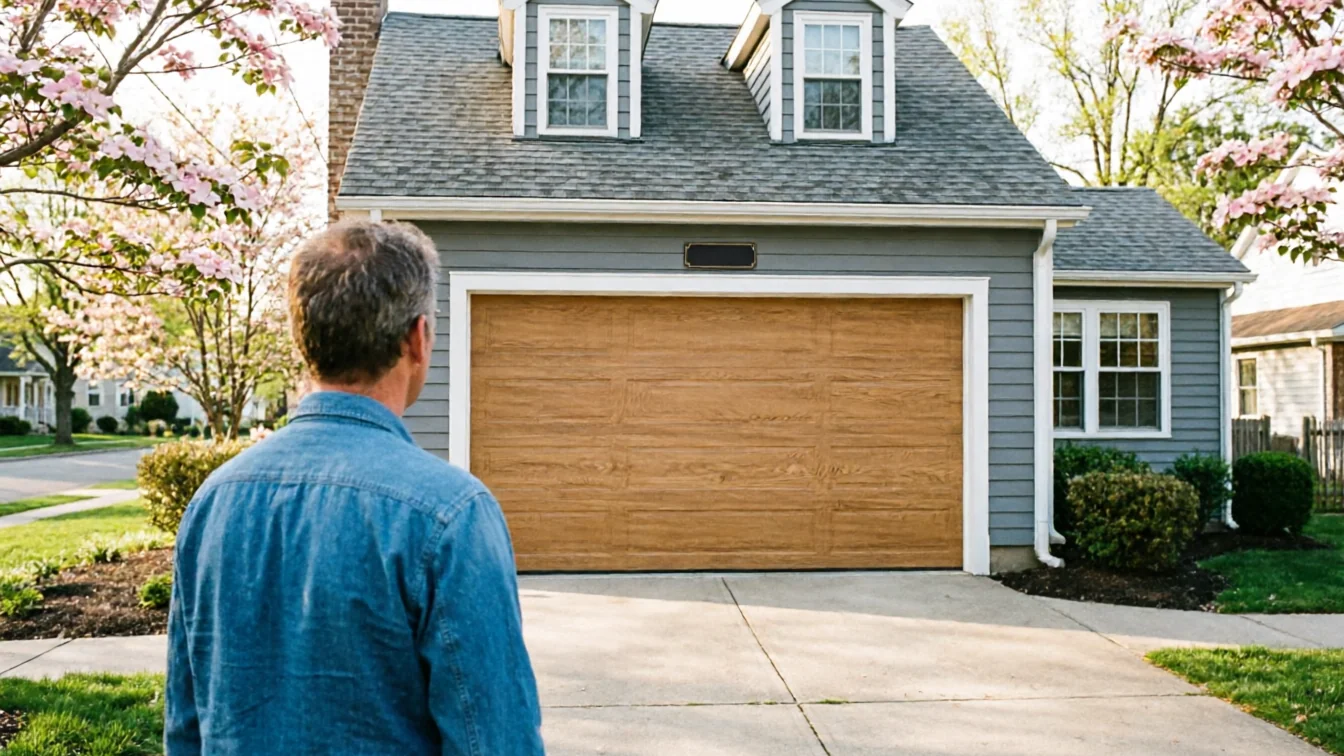 Replacing a Garage Door in Germantown: What the Housing Stock Tells You
A look at when a Germantown garage door is worth replacing versus repairing, based on the area's 1951-2015 housing stock and its severe-cold climate band.
 Weather Seals and Draughts in Germantown's 1980s and 90s Garage Doors
Germantown homes built mostly in the 1980s and 90s face cold-climate draughts and worn seals.
Ready when you are
Need a garage door sorted in Germantown?
Germantown Garage Door Pros repairs and installs garage doors, springs and openers in Germantown, MD and the surrounding area.