
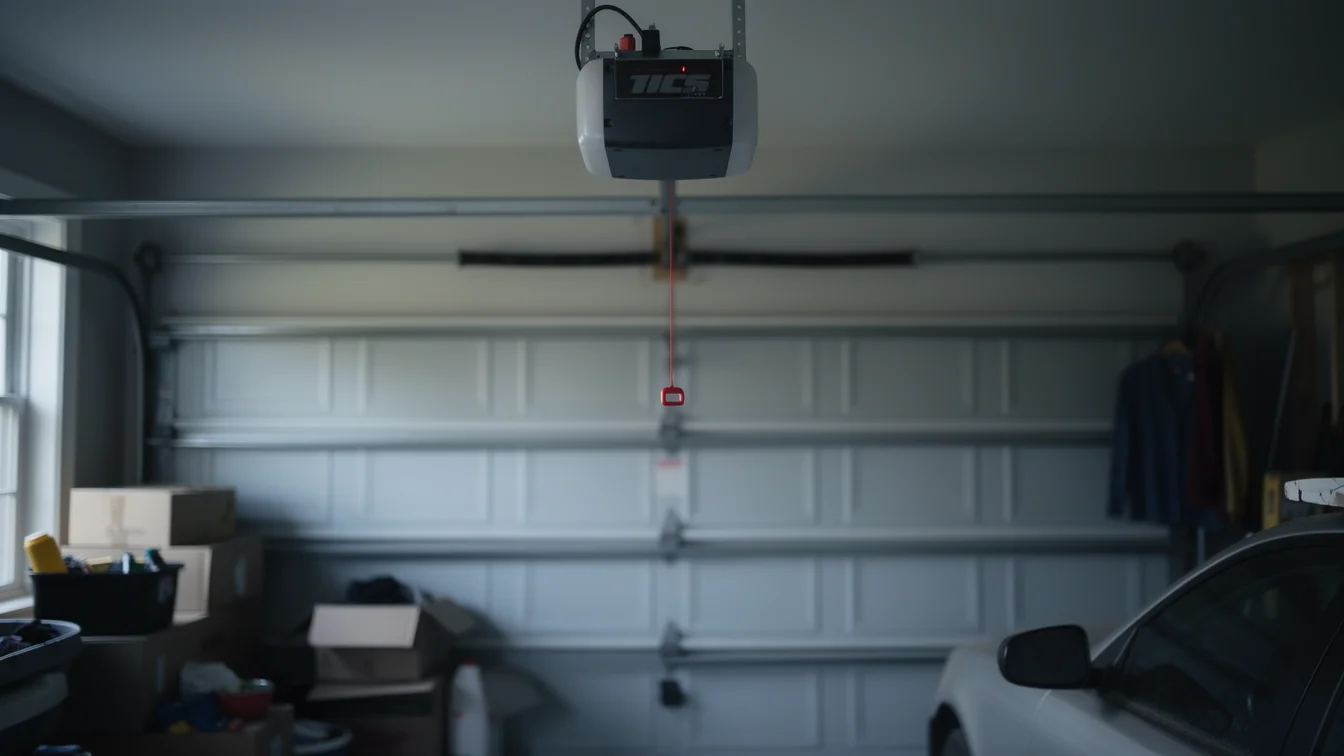
 Openers, Power Cuts, and the Germantown Housing Stock
Germantown's 1980s-90s housing stock and cold winters put real strain on garage door openers during power cuts.
BlogGermantown, MD · 4 min read
When Cold Weather Finds the Weak Spring in Your Germantown Garage
Germantown's 1980s-90s torsion springs are aging into failure range right as cold snaps hit. Here's what that combination actually does to a garage door.
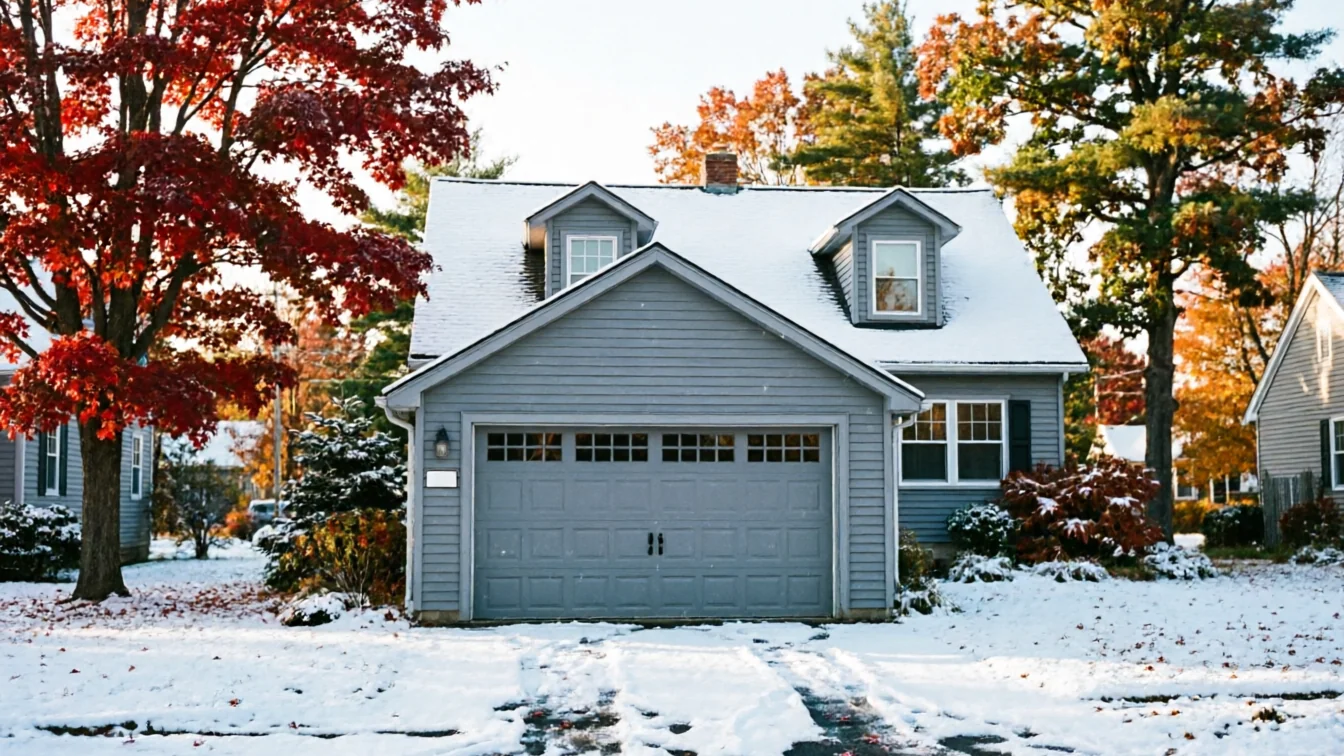
Local detail
When to Get Help
If your door is heavy to lift by hand, if it slams the last foot of travel, or if you hear a loud bang from the garage on a cold morning, call before you use the opener again. A torsion spring under tension that's about to let go doesn't always give warning, and running the opener against a dead spring puts load on the cables and drums that aren't built to carry it.
Germantown's housing stock runs 1951 through 2015 with a median build year of 1984, and most of the 45 named subdivisions in this area went up in that 1980s-90s wave. That means a lot of original torsion springs are now thirty-plus years old, well past the cycle count they were rated for, sitting in garages that see real winter cold. A spring that's been fine for a decade can go on the first hard freeze because cold steel is more brittle and less willing to flex through its last few thousand cycles. Don't wait for a second cold snap to find out if it holds. If the door won't budge, leave it down and call rather than forcing it with the opener.
The area
What Local Conditions Do
This area sits in a cold-severe climate band, which means the garage swings through real freeze-thaw cycles every winter, not just the occasional cold night. Steel contracts as it gets cold, and a torsion spring that's already fatigued from decades of cycling has less margin left when that contraction adds extra stress to the coil. That's the mechanism behind the classic cold-morning spring break: it's not that cold weather alone snaps springs, it's cold weather finding a spring that was already near the end of its service life.
Houses built in the 1980s and 90s boom here typically have single-car or two-car garages with torsion springs mounted on a single shaft above the door, a setup that was standard then and is still common now. Those original springs weren't built with today's heavier insulated doors in mind, so a homeowner who's never touched the door since move-in is often running mismatched spring tension and door weight going into winter. Add a severe cold stretch on top of that gap and the failure point moves earlier than most people expect.
What we find
What Most People Get Wrong
The most common mistake is assuming a spring failure is random bad luck instead of the predictable end of a part's life. In a service area where the median home was built in 1984, a huge share of garage doors are carrying springs original to the house. Nobody inspects a spring until it breaks, and by then it's usually taken a cable or bent a track bracket with it, turning a $200 spring job into something bigger.
The second mistake is lubricating the spring and calling it maintenance. Oil on a torsion spring quiets the squeak but does nothing for the metal fatigue building up inside the coil after thirty years and several thousand open-close cycles. People also tend to treat a slow or heavy door as an opener problem and replace the opener first, when the actual cause is a spring that's lost tension and is making the motor do work it was never sized to do.
With median household income in this area at $154,514, most homeowners here can absorb a spring replacement without much trouble - the mistake is usually waiting for the break instead of replacing on a schedule, which costs less and doesn't risk a door falling on a car.
How we work
What Is Going On
Across this service area of roughly 212,000 households and 92,000 owner-occupied houses, the garage door stock skews heavily toward that 1980s-90s construction window, which means a large number of torsion springs are aging past their rated cycle life at roughly the same time. Combine that with a cold-severe climate and you get a predictable seasonal pattern: spring failures cluster in the coldest weeks, not because cold weather is uniquely destructive but because it's the stress that finally exceeds what a fatigued spring has left.
We can't tell you the exact age of your spring without looking at it - door hardware doesn't always match the house's build year if a prior owner replaced it - and we don't carry every obscure extension-spring size on the truck, so some jobs need a part ordered in rather than done same-day. What we can tell you is that a door built into a house from that 1984-median wave, still running its original torsion spring, going into another winter in this climate, is not a low-risk bet.
Questions
Common questions
Why did my garage door spring break on such a cold morning?
Cold steel is more brittle and has less flex left in it, so a spring that's already near the end of its cycle life is more likely to fail on a cold morning than a mild one. It's rarely the cold alone - it's a decades-old spring finally meeting the stress that pushes it past its limit.
My house was built in the 1980s - is the spring original?
It's possible. A lot of houses in this area date to that build period, and if nobody's mentioned replacing the spring, there's a real chance it's original. We'd need to look at it to tell for sure, since a previous owner may have swapped it already.
Should I just replace the opener since the door feels heavy?
Not necessarily. A heavy or slow-moving door is usually a spring that's lost tension, not a failing opener. Replacing the opener first often just masks the real problem and leaves the motor straining against a door it was never meant to lift unassisted.
Can I just lubricate the spring instead of replacing it?
Lubrication quiets noise but doesn't restore strength to metal that's fatigued from years of cycling. It's worth doing as routine care, but it won't prevent a spring that's near the end of its life from breaking in a cold stretch.
Recommendation
You Might Also Like
More garage door guides for Germantown homeowners.
Openers, Power Cuts, and the Germantown Housing Stock
Germantown's 1980s-90s housing stock and cold winters put real strain on garage door openers during power cuts.
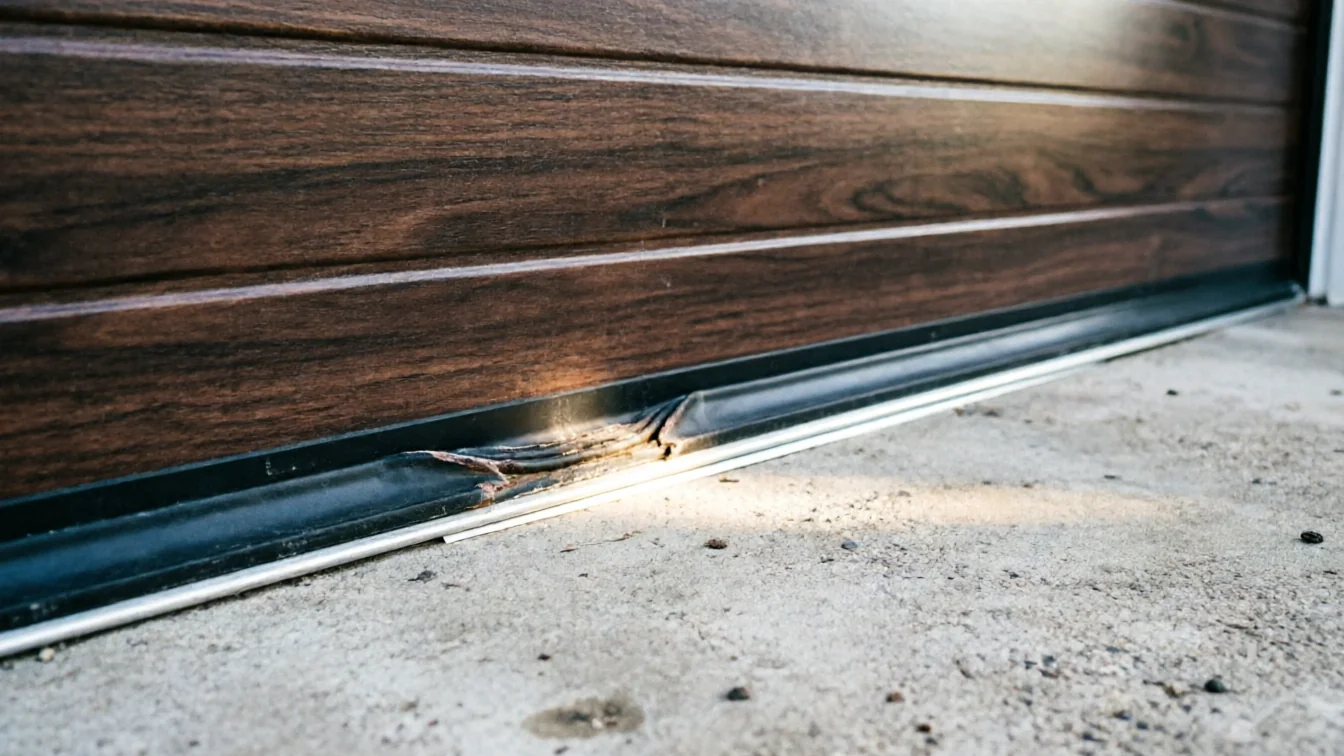 Weather Seals and Draughts in Germantown's 1980s and 90s Garage Doors
Germantown homes built mostly in the 1980s and 90s face cold-climate draughts and worn seals.
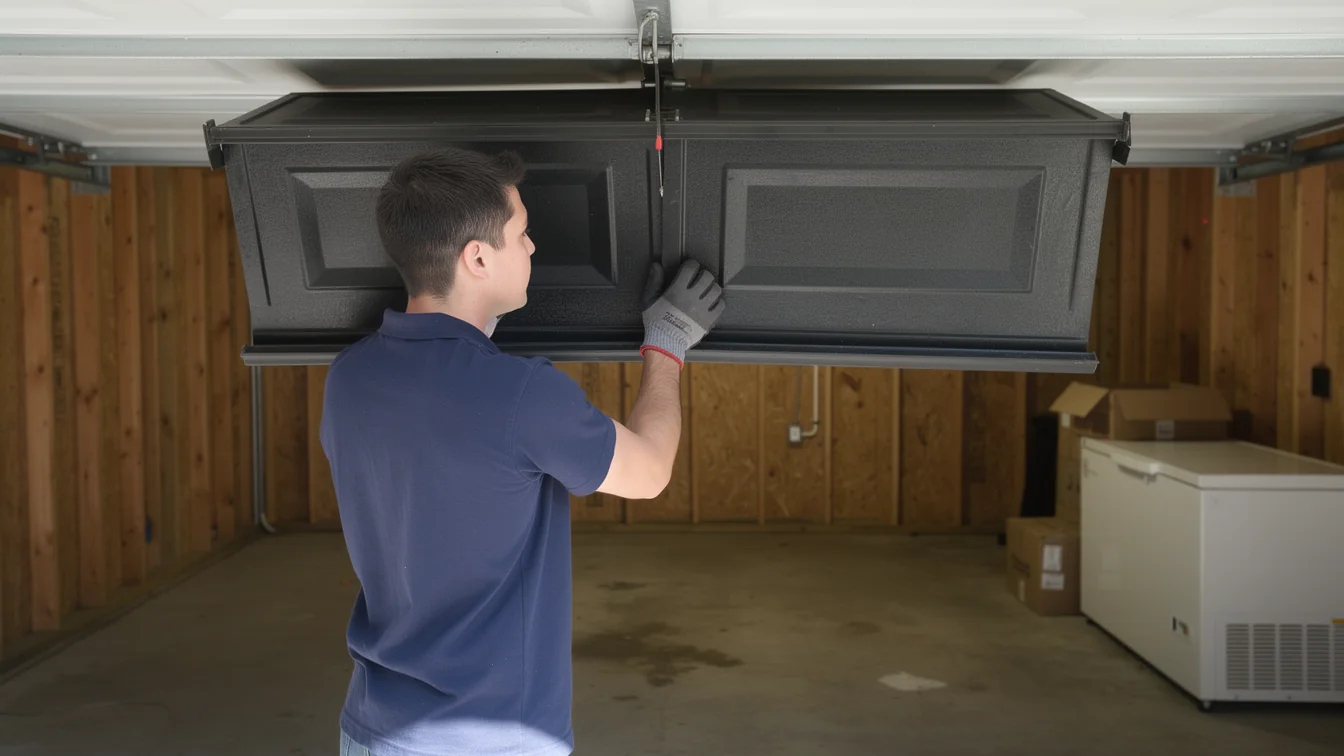 What a Germantown Technician Looks at Before Touching Your Door
Germantown homes mostly date 1951-2015, median build year 1984, in a severe-cold climate band.
Ready when you are
Need a garage door sorted in Germantown?
Germantown Garage Door Pros repairs and installs garage doors, springs and openers in Germantown, MD and the surrounding area.