
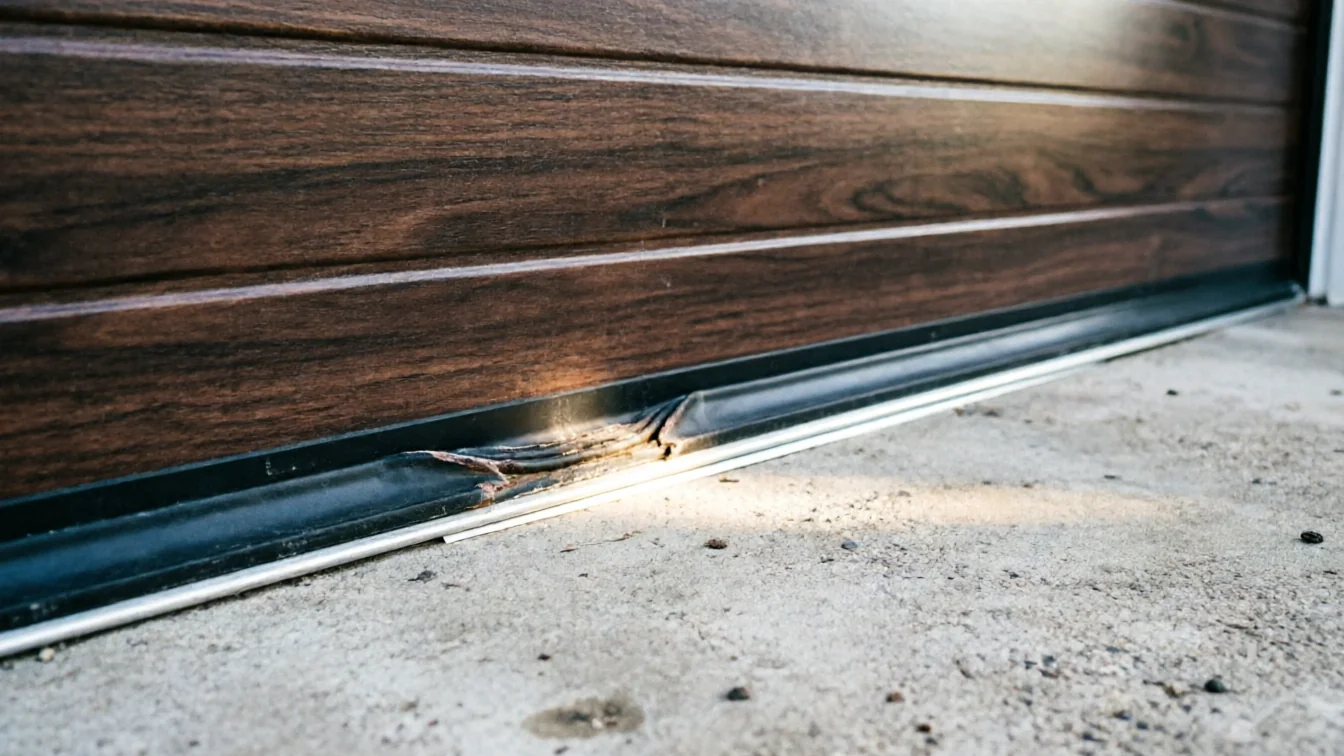
 Weather Seals and Draughts in Germantown's 1980s and 90s Garage Doors
Germantown homes built mostly in the 1980s and 90s face cold-climate draughts and worn seals.
BlogGermantown, MD · 4 min read
Is Your Germantown Garage Door Worth Fixing, or Is It Time to Replace?
Germantown homes built mostly in the 1980s-90s face cold-weather wear on original doors. Here's how to tell if yours is worth repairing or past it.
Local detail
When to Get Help
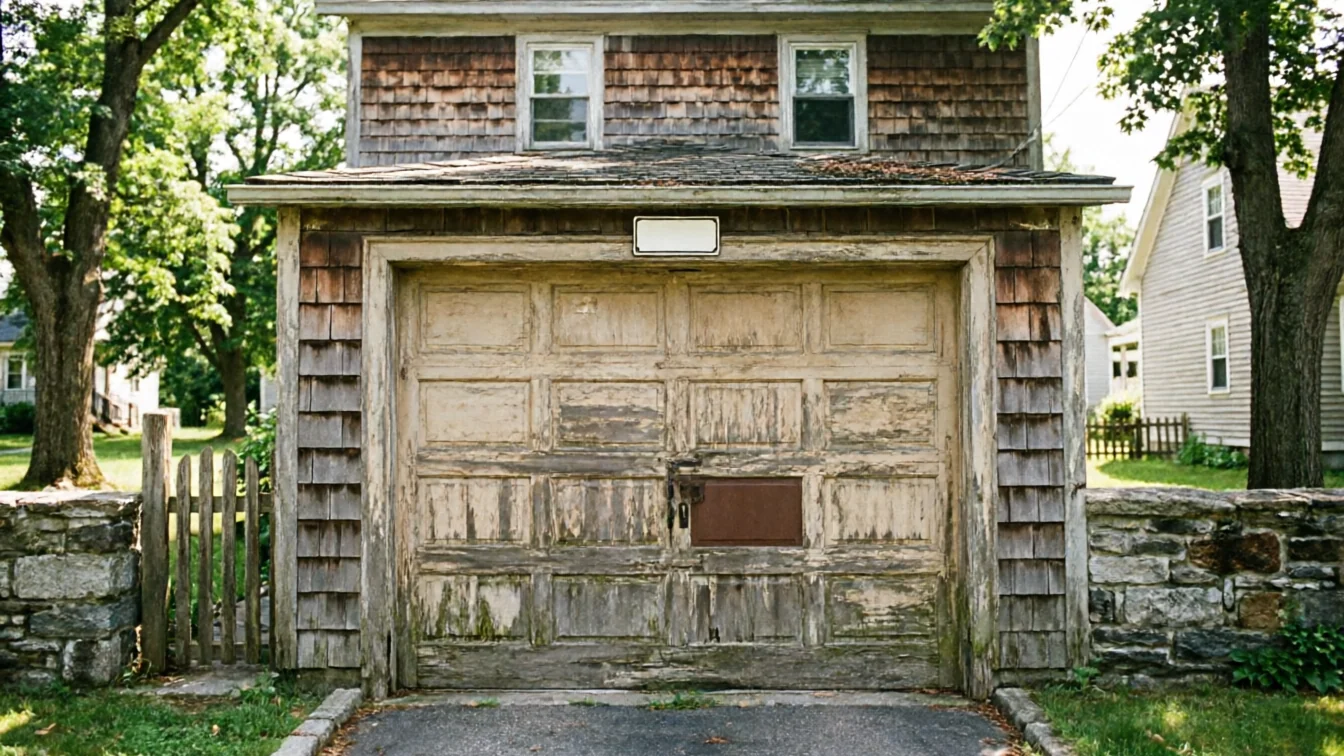
If your door is dragging, reversing on its own, or the opener is grinding before the panel moves, don't wait on it. A lot of the housing stock around here went up between 1951 and 2015, with the median build year sitting around 1984 - so a huge share of doors in this area are now 35 to 45 years old, right at the point where springs fatigue and track hardware starts to loosen from decades of seasonal expansion and contraction. If the door is original to a house built in that 1980s-90s window, and you're hearing a slow grind on cold mornings or seeing the panel sag at one corner, that's not a lubrication problem - that's a structural one. Call before the spring lets go on its own, especially if anyone pulls the emergency release by hand; a torsion spring under full tension is not something to troubleshoot solo. If the door is still tracking straight, closing flush, and the opener reverses correctly on contact, you likely have time to plan the repair rather than scramble for one.
The area
What Local Conditions Do
This area sits in a cold, severe climate band, and that matters more for garage doors than people expect. Steel panels and galvanized hardware contract in winter and expand again every spring, and over 35-plus years that cycle works screws loose, stretches cables a hair at a time, and dries out the grease in roller bearings faster than a mild-climate door would wear. Doors built to the standards common in the 1980s and 90s stock that makes up most of this area weren't always insulated to today's spec, so homeowners also see condensation and ice buildup at the bottom seal in hard freezes - which then cracks the weatherstrip and lets the next cold snap do more damage to the track alignment. None of this is dramatic on its own. It's cumulative. A door that's been through 35 Maryland winters has absorbed more flex-and-freeze cycles than a door half its age, and that's usually what separates a $40 roller swap from a full spring-and-track job.
What we find
What Most People Get Wrong
The biggest mistake we see: treating every noisy older door as a replacement candidate, when a lot of the time the panel and frame are fine and it's one or two parts doing the damage. With housing in this area built mostly from 1951 through 2015, and a lot of it concentrated in that 1980s-90s stretch, the doors themselves are often well-made steel that's holding up - it's springs, cables, and rollers that wear out on a predictable schedule, not the door. The opposite mistake happens too: throwing a new spring at a door whose track is bent or whose frame has shifted with the house's settling, which just means the new part wears out again fast. We won't sell a repair that's going to fail in six months. If the frame's out of square or the panels are rusted through at the bottom, replacement is the honest answer, and we'll say so instead of patching it.
How we work
What Is Going On
Put together, the numbers paint a clear picture: a service area with a median household income around $154,514, 92,113 owner-occupied houses out of 212,225 households total, and a housing stock whose median build year lands around 1984. That's a lot of doors sitting right in the age range where springs, cables, and seals wear out from cold-weather cycling but the underlying door and frame are often still sound steel. It's not a coincidence that we get the same type of call again and again: a door from that era, working harder than it should in winter, with one or two failed parts instead of a failed door. The honest limitation here is that we can't tell you over the phone whether your specific door is a repair or a replacement - that's a look-at-it-in-person call, because a bent track on one door and a bent track on another can mean two very different jobs.
Questions
Common questions
My garage door is from the 1980s - is it even worth repairing?
Usually, yes. A lot of houses in this area were built in that era, and the steel panels themselves tend to hold up fine for decades. What fails first is springs, cables, and rollers from years of winter flex-and-freeze cycling. If the frame and panel are still straight, repair is almost always cheaper than replacement.
Why does my door act up more in winter?
This area sits in a cold, severe climate band, and steel hardware contracts and expands with every freeze-thaw cycle. Over 30-plus years that loosens screws, stretches cables, and dries out roller grease faster than it would in a milder climate - which is why older doors here tend to act up most in January and February.
How do I know if it's a repair or a replacement?
If the track is straight, the panel is flush, and the opener reverses properly on contact, it's almost always a repair. If the frame has shifted, the bottom panel is rusted through, or the door has been patched more than once already, replacement usually costs less over time. We'll tell you straight which one you're looking at.
Recommendation
You Might Also Like
More garage door guides for Germantown homeowners.
Weather Seals and Draughts in Germantown's 1980s and 90s Garage Doors
Germantown homes built mostly in the 1980s and 90s face cold-climate draughts and worn seals.
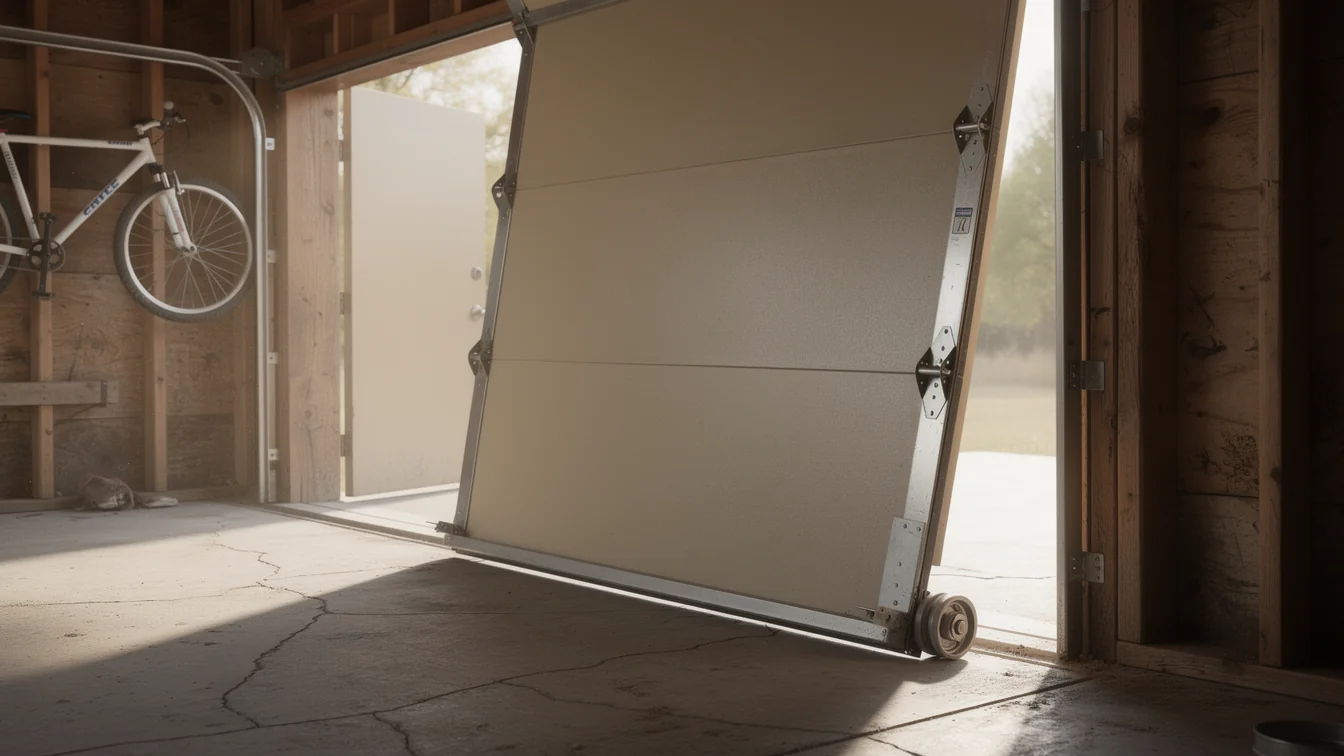 Why a Garage Door Goes Off Track in Germantown
Germantown homes built mostly in the 1980s and 90s see track problems tied to original hardware and hard winter cold.
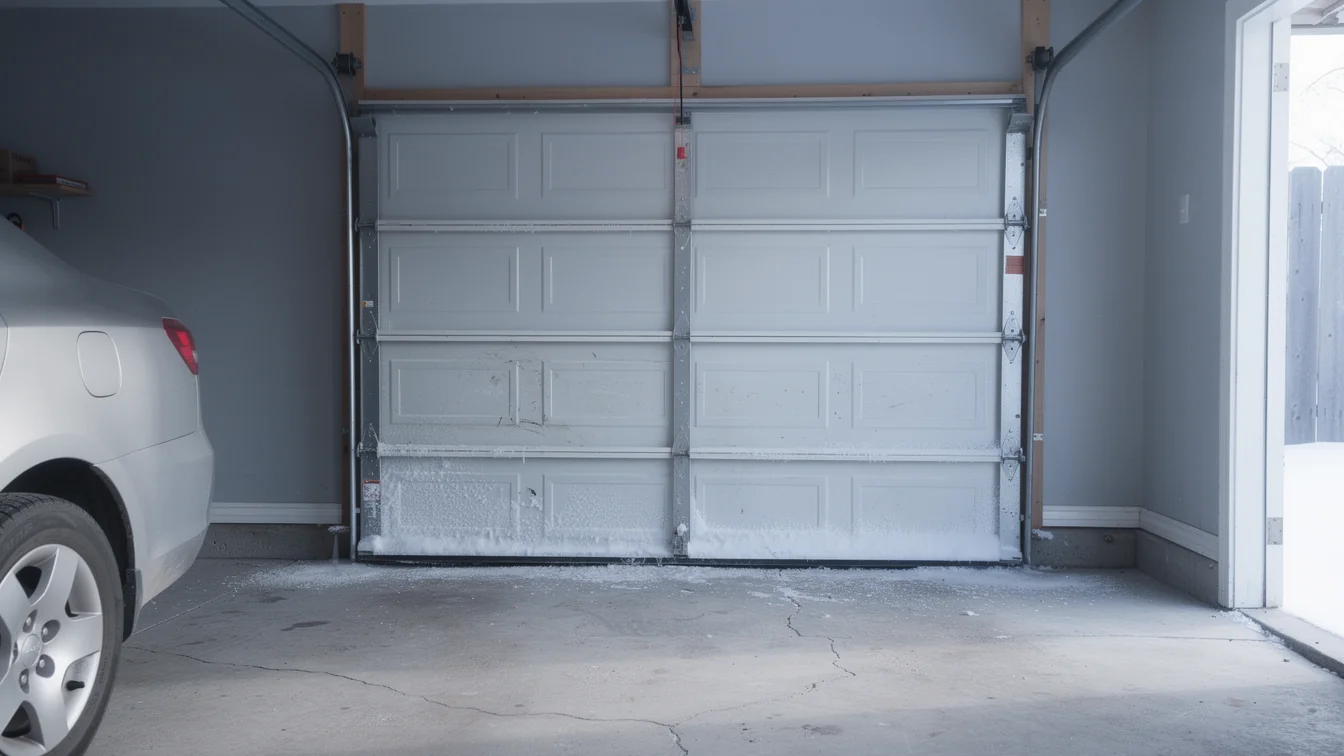 Garage Doors on Germantown Houses Built Before Insulation Rules Tightened
Germantown's housing stock runs 1951-2015, median 1984, mostly 1980s-90s builds that predate modern insulation codes.
Ready when you are
Need a garage door sorted in Germantown?
Germantown Garage Door Pros repairs and installs garage doors, springs and openers in Germantown, MD and the surrounding area.